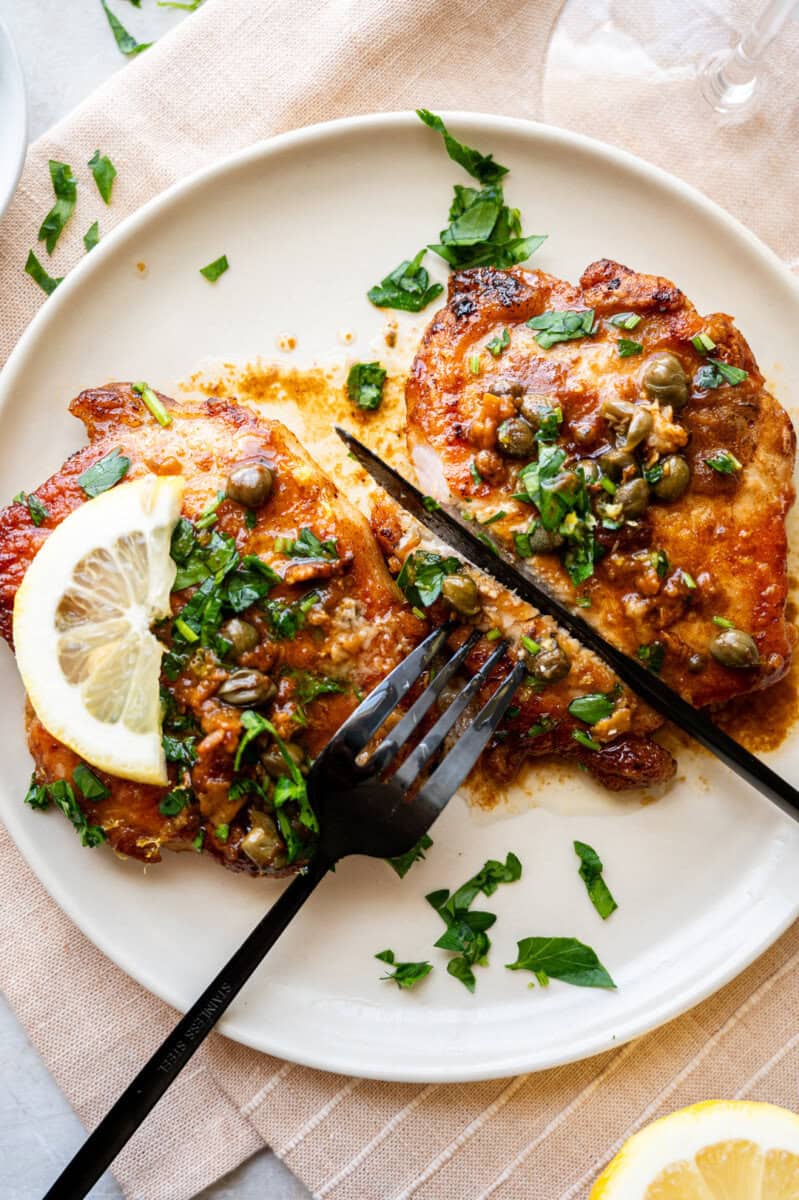
Pork Piccata Perfected: The Savory Lemon-Caper Sauce Secret
When it comes to elevating a simple cut of meat into a dazzling culinary experience, few dishes achieve the sophisticated simplicity of
pork piccata. This Italian-American classic brings together a symphony of savory, citrusy, and briny elements, creating a dish that's as fitting for an easy weeknight meal as it is for an elegant dinner party. Forget the notion that restaurant-quality food is complex; perfecting `pork piccata` at home is not only achievable but immensely rewarding, all thanks to its luscious lemon-caper sauce.
What Exactly is Piccata? Unpacking a Culinary Classic
At its heart, "piccata" refers to a cooking method where thinly sliced meat or fish is tenderized, lightly floured, pan-fried, and then served with a bright, tangy, and rich sauce. While often associated with veal or chicken, `pork piccata` offers a delicious and often more affordable twist, showcasing the pork's natural tenderness and versatility.
Originating from Italy, the piccata we've come to know and love gained significant popularity and evolution within Italian-American cuisine. It masterfully balances contrasting flavors: the tartness of lemon, the salty punch of capers, and the comforting richness of butter. The result is a glossy, golden sauce that feels utterly luxurious without being heavy or overly creamy. It's a testament to how simple, quality ingredients, when combined with careful technique, can create something truly extraordinary.
The Heart of the Dish: Deconstructing the Savory Lemon-Caper Sauce
The magic of `pork piccata` undeniably lies in its signature sauce. This versatile pan sauce, which also pairs wonderfully with chicken, fish, or even vegetables, is built upon a few key components that work in harmony to deliver its distinctive flavor profile:
- Lemon Juice: The quintessential element that defines piccata. Fresh lemon juice provides the essential acidity and brightness, cutting through the richness of the butter and pork. While fresh lemons are always preferred for their vibrant zest and aroma, bottled lemon juice can be a perfectly acceptable substitute, especially when fresh lemons are out of season.
- Capers: These small, pickled flower buds are the unsung heroes of the sauce. Capers add a unique salty, briny, and slightly floral pop of flavor that is irreplaceable. You'll typically find them in the condiment aisle near olives or pickles. If capers are new to your pantry, prepare to be delighted by the depth they bring to Mediterranean-inspired dishes. For those who don't have or prefer capers, chopped green olives can offer a similar salty, briny note, as highlighted in our guide to Pork Piccata Your Way: Essential Swaps for Lemon & Capers.
- Butter: Providing body, richness, and a silky texture, butter is crucial for developing that luxurious mouthfeel. It helps emulsify the sauce, creating a smooth, golden finish.
- White Wine or Broth: Often used to deglaze the pan and build the foundation of the sauce, white wine adds a layer of sophisticated flavor and acidity. However, it's not strictly essential. Chicken broth is an excellent non-alcoholic alternative, and a splash of white wine vinegar can be added alongside broth to mimic the wine's tangy acidity.
- Garlic: Lightly sautéed garlic provides an aromatic base, adding depth and warmth to the sauce without overpowering the brighter flavors.
This combination results in a sauce that is rich and utterly delicious but notably *not* thick and creamy. Its beauty lies in its elegant simplicity and the harmonious balance of tart, savory, and briny notes.
Perfecting the Pork: From Selection to Sauté
While the sauce steals the show, the pork itself is equally important for a truly perfect `pork piccata`. The key is to ensure the pork is tender, moist, and develops a beautiful golden crust.
Choosing and Preparing Your Pork
- Pork Tenderloin: This cut is often recommended for its inherent tenderness and lean quality. If using tenderloin, remember to trim off the "silver skin"—a tough, silvery membrane that won't break down during cooking and can be chewy. Slice the tenderloin into medallions about ½ inch thick.
- Thin Pork Chops: Boneless, thin-cut pork chops also work wonderfully.
- Pounding Thin: Regardless of the cut, pounding the pork slices thin (to about ¼ inch thickness) is crucial. This tenderizes the meat, ensures even cooking, and allows it to cook quickly, preventing dryness. Place pork between two sheets of plastic wrap and use a meat mallet or a heavy rolling pin.
- Dredging: A light coating of seasoned flour, cornstarch, or arrowroot powder serves several purposes. It helps create a beautiful golden crust when pan-fried, protects the meat from drying out, and contributes to slightly thickening the pan sauce later. Season the flour generously with salt and pepper before dredging.
The Sautéing Technique
The pan-frying step is quick and straightforward. Use a combination of olive oil and butter for sautéing. The olive oil prevents the butter from burning too quickly, while the butter adds flavor. Heat the skillet over medium-high heat until shimmering. Sauté the floured pork slices for approximately 2-3 minutes per side, or until they reach an internal temperature of at least 145°F (63°C). It’s important not to overcrowd the pan; cook in batches if necessary to ensure proper browning and even cooking. Once cooked, remove the pork to a platter and tent with foil to keep warm while you prepare the sauce.
Assembling Your Masterpiece: A Step-by-Step Guide
The beauty of `pork piccata` is that the sauce is built directly in the same pan where the pork was cooked, capturing all those delicious browned bits (fond) that add immense flavor.
- Prep and Cook Pork: Follow the steps above: slice, pound, dredge, and pan-fry your pork. Remove the cooked pork to a plate and keep it warm.
- Sauté Aromatics: In the same skillet, with any remaining drippings (add a little more butter if needed), lightly sauté minced garlic for about 30 seconds to 1 minute. Be careful not to over-brown it, as burnt garlic can taste bitter.
- Deglaze and Simmer: Pour in your white wine (or broth/vinegar mixture). Use a wooden spoon to scrape up any browned bits from the bottom of the pan. Stir in the lemon juice and any additional seasonings. Bring the mixture to a very low boil, then reduce the heat and simmer gently for a few minutes, allowing the sauce to reduce slightly and flavors to meld.
- Finish the Sauce: Stir in the capers. Finally, whisk in a tablespoon or two of cold butter, swirling the pan or gently whisking until the butter is fully incorporated, creating that luscious, glossy finish. Taste and adjust seasonings as needed.
- Combine and Serve: Return the cooked pork slices to the pan, turning them gently to coat them in the savory sauce. Serve immediately.
The entire process, from preparing the pork to finishing the sauce, can often be completed in about 30 minutes, proving that `pork piccata` truly is a
Quick & Easy Pork Piccata: Restaurant Flavor in 30 Minutes that delivers restaurant-quality flavor.
Elevating Your Pork Piccata: Variations and Serving Suggestions
One of the great qualities of `pork piccata` is its versatility. Once you've mastered the basic technique, feel free to experiment with ingredient variations to suit your taste or what you have on hand.
Ingredient Swaps:
- For the Capers: As mentioned, chopped green olives can be a good substitute if you're out of capers or prefer a milder briny flavor.
- For the Wine: Chicken broth is the simplest swap. A small amount of white wine vinegar (about 1-2 teaspoons) can enhance the acidity if using only broth.
- For the Pork: While this article focuses on `pork piccata`, the sauce works beautifully with chicken breast, veal, or even flaky white fish.
Serving Suggestions:
`Pork piccata` is a dish that makes any day feel special, and pairing it with the right sides completes the experience.
- Pasta: Thin spaghetti or angel hair pasta, tossed lightly with butter or olive oil, is a classic accompaniment, perfect for soaking up every last drop of the delicious sauce.
- Vegetables: Lightly steamed or sautéed vegetables provide a fresh contrast. Asparagus, steamed broccoli, or sautéed spinach are excellent choices. During off-season, frozen options work well.
- Potatoes: Creamy mashed potatoes or simple roasted potatoes can also complement the dish beautifully.
- Bread: Don't forget a crusty loaf of bread to sop up any remaining sauce – it's too good to waste!
Conclusion
`Pork piccata` truly is a testament to the power of simple, well-chosen ingredients transformed through thoughtful preparation. From the tender, golden-brown pork to the glistening, balanced lemon-caper sauce, every element comes together to create a dish that is both comforting and sophisticated. It’s nutritious, affordable, and incredibly versatile, proving that gourmet dining is well within reach in your own kitchen. Embrace the savory lemon-caper secret, and let `pork piccata` become a shining star in your culinary repertoire.