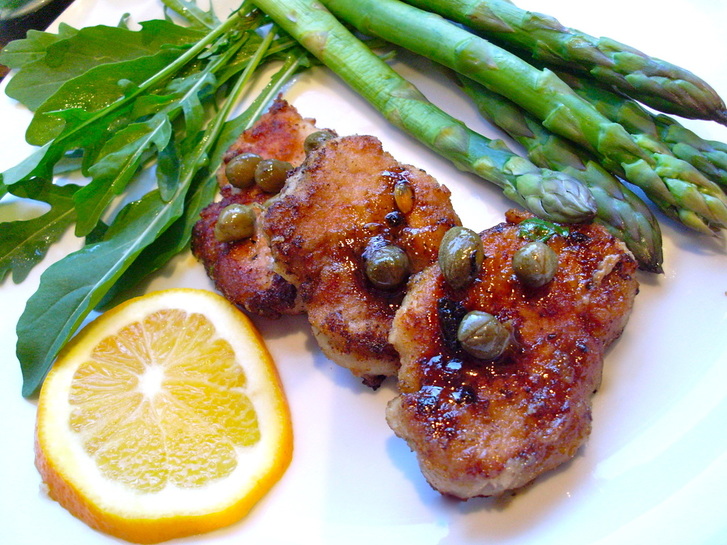
Pork Piccata is a culinary marvel that beautifully marries savory, citrusy, and briny notes into one harmonious dish. Originating from Italy but gaining significant popularity in Italian-American cuisine, it's a testament to how simple ingredients, when balanced just right, can create something truly extraordinary. At its heart, piccata involves tenderized meat (often pork, chicken, or fish) pan-fried to perfection and then draped in a luscious, tangy sauce. While the traditional sauce relies on the iconic duo of lemon and capers, along with butter and white wine or broth, the beauty of this dish lies in its adaptability. This guide explores essential swaps for these core ingredients, empowering you to create a personalized pork piccata that caters to your unique palate or pantry. If you're looking for a dish that delivers restaurant-quality flavor in 30 minutes, mastering the art of Quick & Easy Pork Piccata is an excellent starting point.
Understanding the Essence of Pork Piccata
Before we delve into substitutions, let's appreciate what makes pork piccata such a beloved classic. Piccata, at its core, is a cooking method that transforms humble ingredients into a gourmet experience. Thin slices of pork (often tenderloin or boneless chops), lightly dredged in seasoned flour or cornstarch, are quickly sautéed until golden and tender. The magic truly happens with the sauce, which is typically built in the same skillet, capturing all those flavorful fond bits.
The traditional piccata sauce is renowned for its delicate balance. Lemon juice provides the essential acidity and brightness, cutting through the richness of the butter and pork. Capers, those distinctive pickled flower buds, introduce a salty, briny, and subtly pungent pop that adds depth and intrigue. Butter contributes body and a silky texture, while white wine or chicken broth thins the sauce and adds another layer of flavor. The result is a glossy, golden elixir that feels luxurious without being heavy.
Pork, in particular, is an excellent choice for this dish. It's not only nutritious and affordable but also incredibly versatile. Its mild flavor profile readily absorbs the vibrant tastes of marinades and sauces, making it an ideal canvas for the zesty piccata treatment. Preparing pork piccata at home demonstrates that even "restaurant classics" are surprisingly accessible, bringing a special touch to any weeknight meal or dinner party.
Decoding Lemon's Tang: Flavor Alternatives
Lemon is arguably the most defining characteristic of piccata sauce, delivering that essential bright, tart, and fragrant finish. But what if you're out of fresh lemons, or simply desire a different acidic profile for your pork piccata?
- Bottled Lemon Juice: The most straightforward swap. When fresh lemons are out of season or unavailable, a good quality bottled lemon juice works perfectly well. While it might lack the vibrant aroma of fresh zest, it will still provide the necessary acidity.
- Lime Juice: For a slightly different citrus experience, lime juice can be an intriguing substitute. It offers a sharper, more floral tang than lemon, which can introduce an exciting new dimension to your pork piccata sauce. Be mindful that lime can be more assertive, so start with a slightly smaller amount and taste as you go.
- White Wine Vinegar or Apple Cider Vinegar: If citrus isn't an option, various vinegars can step in to provide acidity. White wine vinegar is a good choice due to its mild, fruity notes, while apple cider vinegar offers a slightly fruitier, earthier tang. These will add acidity but won't replicate the specific citrus aroma, so consider adding a pinch of a citrus-based spice blend if you have one.
- Citrus Zest: Even if you use a vinegar or bottled juice for the primary liquid acidity, don't underestimate the power of zest. A tiny bit of lemon, lime, or even orange zest (for a sweeter, more aromatic tang) grated into the sauce at the very end can dramatically boost the "bright" factor without adding significant liquid or tartness.
Pro Tip: When experimenting with acidic swaps, remember that the goal is balance. Add your chosen alternative gradually, tasting frequently, to ensure the sauce has enough zest without becoming overwhelmingly sour. The acid is crucial for cutting through the richness and elevating the overall flavor of your pork piccata.
Taming the Brine: Capers and Beyond
Capers are the unsung heroes of piccata sauce, providing a unique salty, briny, and slightly floral flavor that’s hard to replicate. These tiny pickled flower buds add a distinct "pop" of flavor and texture. However, if capers aren't to your liking, or you simply don't have them on hand, there are excellent alternatives to maintain that essential briny punch in your pork piccata.
- Chopped Green Olives: This is perhaps the most common and effective swap for capers. Green olives, especially those packed in brine, offer a similar salty, savory, and slightly tangy flavor profile. Ensure they are pitted and finely chopped to integrate well into the sauce. Their texture also provides a satisfying counterpoint to the tender pork.
- Chopped Artichoke Hearts: For a slightly different take, consider finely chopped marinated artichoke hearts. They provide a briny, slightly earthy flavor and a tender texture that can complement the pork beautifully. Choose oil-packed or water-packed, ensuring they are well-drained.
- Pickled Vegetables (e.g., Cornichons): Small, chopped pickles like cornichons or even a finely diced dill pickle can introduce a sharp, tangy, and briny note, though their flavor profile is distinctly different from capers or olives. Use sparingly and taste as you go to avoid overpowering the dish.
- Sun-Dried Tomatoes (Oil-Packed): While not briny in the traditional sense, finely chopped, oil-packed sun-dried tomatoes offer a concentrated umami and sweet-tart flavor that can add depth and a different kind of richness to your pork piccata sauce. This swap moves the flavor profile slightly away from traditional piccata but creates a delicious alternative.
Pro Tip: When using briny ingredients like olives or capers (or their substitutes), consider rinsing them briefly under cold water if you want to reduce their saltiness. This allows you to control the overall seasoning of your sauce more precisely. Understanding the nuances of the sauce is key to achieving that perfect balance, a secret to be unlocked for Pork Piccata Perfected.
Beyond Lemon & Capers: Elevating Your Pork Piccata
While lemon and capers are central, other ingredients in the piccata sauce also offer opportunities for personalization. Don't limit your creativity!
- Wine & Broth Variations:
- No White Wine? Simply use an equal amount of chicken broth or vegetable broth. The sauce will still be delicious.
- Tangy Kick without Wine: If omitting wine, a splash of white wine vinegar (as mentioned earlier) or a tiny bit of dry vermouth can add a complex, tangy layer.
- Herb Infusions: Fresh herbs can brighten and deepen the flavor of your pork piccata.
- Parsley: A traditional garnish, chopped fresh parsley stirred in at the end adds vibrant color and a fresh, peppery note.
- Thyme or Rosemary: A sprig of fresh thyme or a tiny bit of finely minced rosemary (use sparingly, as it's potent) can be added to the sauce as it simmers, infusing it with aromatic warmth. Remove sprigs before serving.
- Spice it Up: For those who enjoy a little heat, a pinch of red pepper flakes added with the garlic can provide a subtle warmth that complements the tangy sauce beautifully.
- Umami Boost: A dash of Worcestershire sauce or a tiny splash of light soy sauce can add a deeper, savory umami note to the sauce. Be very careful with the quantity, as these are potent and salty.
- Textural Additions: Consider toasting a few pine nuts or slivered almonds and sprinkling them over the finished dish for an unexpected crunch that contrasts nicely with the tender pork and silky sauce.
Crafting Your Signature Pork Piccata Experience
Making pork piccata at home is not just about following a recipe; it's about embracing the joy of cooking and tailoring a dish to your preferences. The beauty of this meal lies in its versatility and the ease with which you can adapt it to your pantry or cravings. Whether you're swapping lemon for lime, capers for olives, or experimenting with new herbs, each change allows you to create a distinctly personal version of this beloved classic.
Serve your customized pork piccata with classic accompaniments like buttered thin spaghetti or creamy mashed potatoes to soak up every drop of that delicious sauce. For greens, consider steamed asparagus, sautéed spinach, or roasted broccoli. No matter how you choose to personalize it, homemade piccata has a magical way of making any day feel a little more special. So, gather your ingredients, unleash your culinary creativity, and enjoy the process of making pork piccata your very own.
